Trench Coat vs Pea Coat: Key Differences for Beginners


Last updated on March 24th, 2026 at 07:07 am
As an Amazon Associate, I earn from qualifying purchases
When you talk about classic outerwear, the trench coat and pea coat are some of the most well-known options. These two coats have been around for many years. They have a timeless style that many people like.
If you are starting to build your wardrobe or want to add something fresh, know what makes each one stand out. This will help you pick what is best for your life and your personal style.
Understanding Classic Outerwear: Trench Coats and Pea Coats
The trench coat and pea coat both started out as clothes for the military. Over time, they became popular pieces that many people wear today. These two coats show how smart design and classic style can last for years. Their story is about more than fashion. It is also about how useful and lasting these coats are.
To see how the trench coat and pea coat are different, you need to know about where they came from. The trench coat got its start in the trenches during World War I. The pea coat, on the other hand, was made for sailors who had to face cold winds at sea. Both have a rich history tied to military wear. Let’s learn more about how each one began.
The Origins and Historical Significance of Trench Coats
The trench coat comes from the time of World War I. Thomas Burberry made this coat for army officers in Britain. They needed something better than the heavy coats they wore before. The name “trench coat” is because the coat was made for men who fought in the trenches.
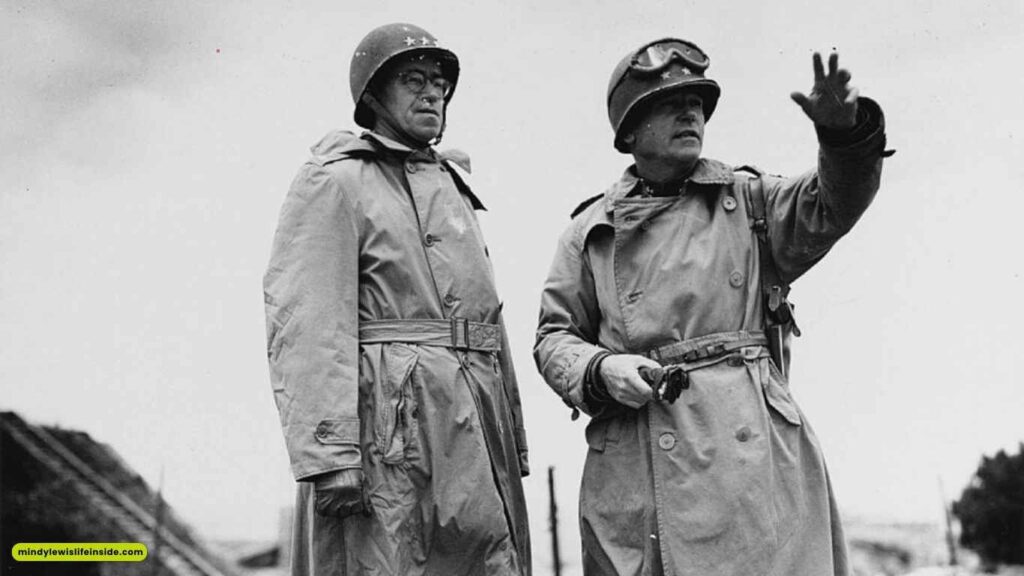
He made the coat light and able to stop water. The army wanted each coat to let people move with ease. The traditional design of the trench coat has military features like epaulettes to show rank and a storm flap for more safety in bad weather.
After the war, people started to wear the trench coat in everyday life. They liked its good shape and useful parts. Now the trench coat is a fashion icon known all over the world.
The Story Behind the Pea Coat: Naval Roots and Evolution
The pea coat, or pea jacket, comes from life in the navy. The name comes from the Dutch word “pije,” which means a coat made from heavy wool. The Dutch navy made the first one back in the 1800s.
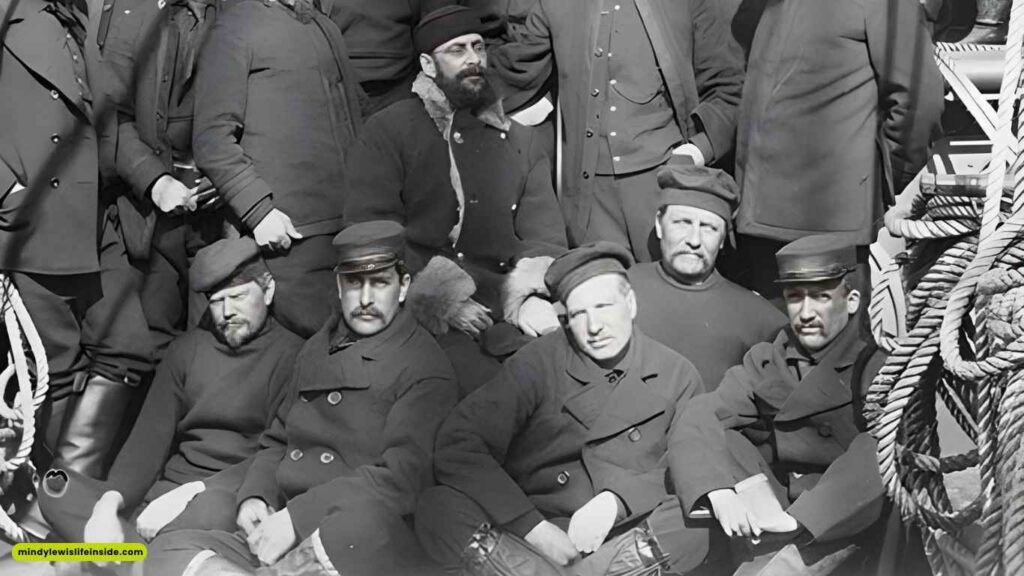
This coat is tough. It was made to keep sailors safe from strong sea wind and cold. There are a few things that make it stand out. It has a short length, so people can move easily on the ship. The broad lapels can go up high and be buttoned to cover your face and neck.
Later, both the British and US Navy started to use this style. It became a must-have for anyone in the navy. The pea coat was great at its job, but it also looked good, so people outside the navy started to wear it too. Over time, it became a part of regular fashion, not just a navy jacket.
Key Features of Trench Coats Explained
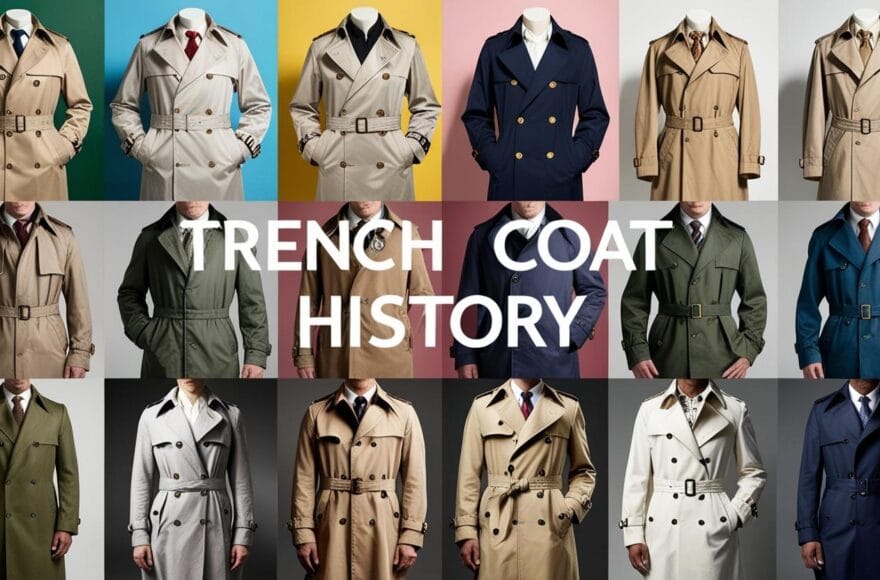
A trench coat stands out because of the way it looks and works. You can spot one by its unique features, which mix both style and function. This coat was first made using strong gabardine fabric. It often has a belted waist that helps give it a neat shape. The storm flap is there to help keep out the rain and wind. These features have been a part of the trench coat’s look for more than one hundred years.
If you know about these signature parts, you can see why the trench coat is such a useful and lasting piece of outerwear. Let’s take a closer look at its belted waist, the gabardine fabric, and the other unique features that make this coat special.
Common Materials and Construction Details
The classic trench coat was first made using gabardine fabric. This is a tightly woven material that Thomas Burberry invented. Gabardine fabric is known to be water-resistant. It also lets air in, so you don’t get too warm. That makes the trench coat a good choice for rainy or windy days. You can stay dry without feeling hot.
Over the years, there are now more choices. Trench coats now come in many fabrics. This lets you pick from different styles. You might find cotton, wool, or even leather trench coats in stores today.
Many of the trench coats people buy now use synthetic materials. These help the coats last longer and stand up to bad weather. Some common materials in these newer coats are:
- Polyester
- Nylon
- Tightly woven cotton blends
- Gabardine
Signature Design Elements: Belts, Epaulettes, and Storm Flaps
A trench coat is known for looking good and being useful at the same time. One of the things people notice right away is the belted waist. The belt helps you make the coat tighter or looser, so you can get a better fit that looks good on you. This is quite different from a pea coat, which is often a bit wider and boxier.
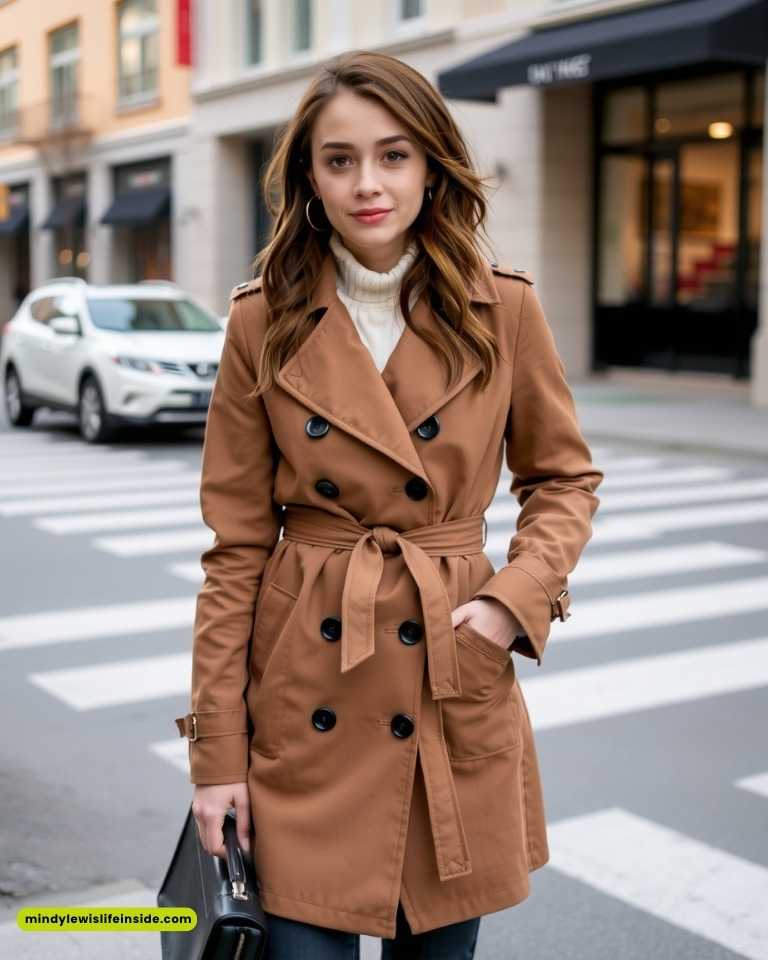
Another part of what makes a trench coat stand out is its shoulder straps, also called epaulettes. These started out as a way for military officers to show their rank, but today, they give the coat a bit more classic style and help shape the shoulders. This is part of what gives the trench coat a more polished look.
Then there is the storm flap. It is a piece of fabric that buttons over the chest. This helps keep wind and rain out, offering extra comfort on bad weather days. When you also think about things like the deep pockets and that double row of buttons down the front, it’s easy to see why the trench coat is a great choice when you want both style and useful features.
Key Features of Pea Coats Explained
The pea coat is a well-known wool coat. It stands out because of its thick wool and strong build that help keep the cold out. The traditional design comes from its short length, double row of buttons, wide collar, and big buttons. Some buttons have an anchor on them to show its history with the navy.
All of these parts make this coat useful and stylish at the same time. Next, we will look at the fabrics and details that make the pea coat special.
Typical Fabrics and Build Quality
A pea coat is mostly made from heavy wool fabric. This kind of wool is thick and helps the coat stay very warm. It also makes the coat strong enough to last a long time. Because of this, a pea coat is great when it is really cold out. How good the wool fabric is will show how warm the coat can be and how long you can use it.
Using heavy wool fabric is also what gives the pea coat its strong and rugged look. The classic pea coat comes in navy blue. But now, you can find it in other basic colors such as black and charcoal gray. Still, these coats always focus on using the best and most tough material.
Here are key things that make the pea coat warm and strong:
- Heavy melton wool for the best insulation
- A thick fabric to keep out the wind
- Sometimes there is a quilted lining for more warmth
- Tough buttons made from plastic, wood, or metal
Distinctive Style Characteristics: Double-Breasted, Broad Collar, and Length
The style of the pea coat comes from a few things. It has a double-breasted front with large buttons. This look is classic and matches on both sides. The extra layer of fabric at the front helps keep you warm. It lets the coat hold its shape and stand out.
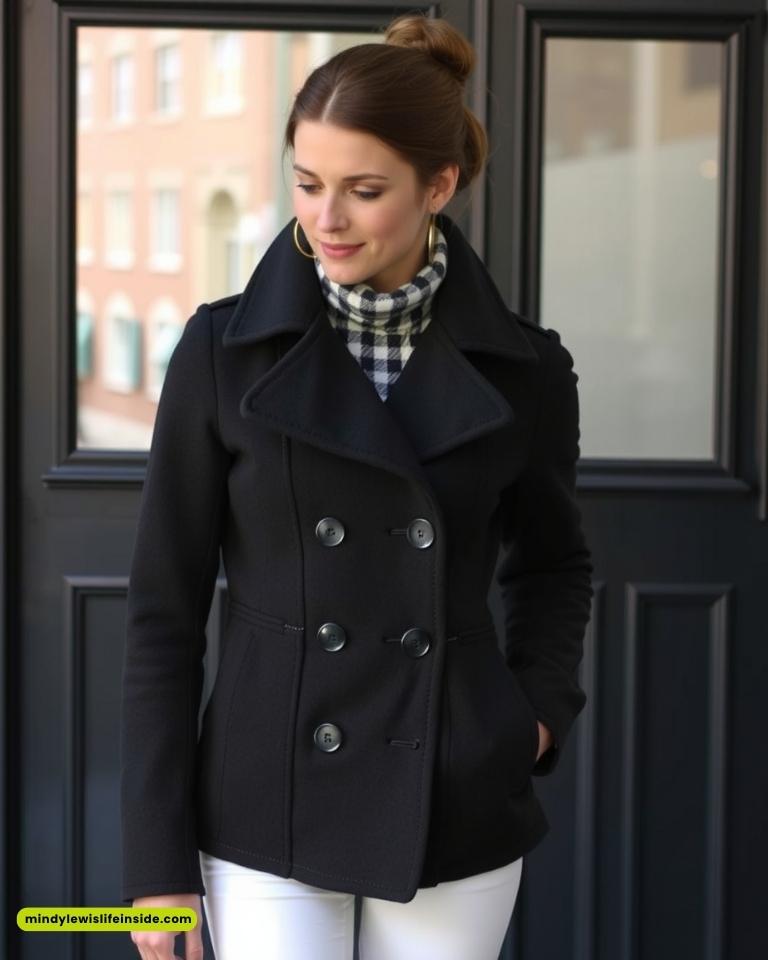
The broad lapels, or what some call an ulster collar, are another thing that makes the pea coat special. The collar is wide and you can lift it up or button it. This helps keep your neck and face safe from cold winds. It started with people who worked on ships and still works well in cold weather. This part of the coat also gives you style when it gets chilly outside.
The pea coat is short and usually comes to the hip. This short length means you get ease of movement and a relaxed style. It’s not as long as a trench coat, so you can wear it more ways. The pea coat goes with most outfits, which makes it a good pick for many people.
Beginner’s Guide: Choosing Between Trench Coat and Pea Coat
Are you trying to pick between a trench coat and a pea coat? This simple guide will help you find the right coat for you. Your choice depends on your personal style, the weather where you live, and when you plan to wear it. Both the trench coat and the pea coat are good, but one could work better for you.
No matter if you want something for the start of fall or need warmth for deep winter, getting the perfect fit and finding the coat that works with your lifestyle is so important. Let’s go through what you need to know to make the right coat pick.
What You Need to Get Started: Budget, Fit, and Climate Considerations
Before you shop, it’s good to think about some basic things. Your budget, the weather where you live, and clothes you already have will help you pick the right coat. A pea coat is usually warmer and is best if you need something for harsh weather. A trench coat is better for mild or transitional weather.
Ask yourself what you need the most. Do you want a coat to keep out rain and wind in the spring or fall? Or do you need something warm for very cold days? Knowing this makes it easier to choose.
Here are some things to keep in mind:
- Budget: Think of how much you want to spend.
- Fit: Do you want a fitted or a looser style?
- Climate: Pick the one that fits if you get more rain or snow.
- Wardrobe: Choose the coat that goes well with the clothes you have.
Step-by-Step Guide to Selecting the Right Coat
Choosing the right coat doesn’t have to be complicated. By breaking it down into a few simple steps, you can confidently select the perfect outerwear to match your style and needs. Consider the different types of coats and how they align with your daily life.
Start by thinking about your wardrobe, then evaluate the typical weather conditions you face. A trench coat is a great choice for rainy, mild days, while a pea coat is better for dry, cold weather. Ease of movement is another factor; the pea coat’s shorter length offers more mobility.
This table highlights the main differences to help you decide:
| Feature | Pea Coat | Trench Coat |
|---|---|---|
| Best For | Cold, dry weather | Mild, wet weather |
| Material | Heavy wool | Lightweight, water-resistant gabardine or cotton |
| Length | Short (hip-length) | Long (knee to calf-length) |
| Warmth | Very warm | Moderately warm (requires layering) |
| Style Vibe | Classic, rugged, somewhat casual | Sophisticated, polished, versatile |
Step 1: Assessing Your Wardrobe Needs
The first thing to do is see what you have in your wardrobe and think about how you live. What do you wear most days? If you tend to pick casual wear like jeans and sweaters, a pea coat can be a great choice for everyday wear. It has a classic style that works well if you want to look good but stay relaxed.
But if you have a lot of formal wear, like suits, blazers, or dresses, a trench coat might be better for you. It is longer and has a clean look that fits well over business clothes and when you go to something a little more formal.
Think about what you might be missing when it comes to coats and jackets. Do you need something to wear to work every day, or are you trying to get a good jacket for the weekend? When you answer this, it helps you know what you really need and find the best coat for your style.
Step 2: Evaluating Weather and Practicality
Next, think about the weather conditions in your area. This is an important step when you have to choose between a trench coat or a pea coat. If you have cold weather with freezing temperatures and snow, the thick wool in a pea coat helps to keep you warm. That thick wool is made for that extra warmth you need.

But if you live where there is a lot of rain, wind, and it feels like the weather is always changing, a trench coat makes more sense. Water resistance is a big part of why people love trench coats. They are built to keep you dry when there is a lot of rain. A pea coat is made of wool, so it can get very heavy and not feel good if it gets wet, and it’s not the best for heavy rain.
So, think about the weather you usually have. If it is cold, the pea coat works best. If you are dealing with rain and transitional weather, go with the trench coat. A trench coat is great for spring and fall, but a pea coat is good for true winter cold.
Step 3: Trying on for Fit and Comfort
After you pick your favorite style, it is very important to find the perfect fit. A coat that fits well will look better and be more comfortable to wear. When you try on a trench coat or pea coat, make sure there is enough room in the shoulders and chest. This way, you can wear a sweater under your coat and still move with ease.
Your arms should move easily in the coat, and you should be able to sit down with no trouble. For the trench coat, the belt needs to go at your waist to give you a good shape. For the pea coat, your shoulders and the coat’s shoulders should match. The body should look straight and not pull.
Try a few sizes to see what feels best. When you get the perfect fit, your personal style will shine, and you will want to wear your new coat all the time.
Step 4: Considering Style Preferences and Occasions
Think about your personal style and the different times you will need a coat. Do you like a look that feels timeless and has an air of elegance? Or do you like styles that seem more classic and even a bit rugged? A trench coat gives you a polished look. It works great for business meetings, special events, or a nice night out.
On the other hand, the pea coat stands out with its simple, classic style that works well for casual or smart-casual days. This coat takes its look from old Navy uniforms, which gives it a strong vibe. It looks good and feels easy for anyone to put on. It is just right for weekend plans, casual dinners, or if you want to look stylish on your way to work.
So, think about which style feels like you. Both the trench coat and pea coat are good for many options, but each has a different feel. Your last pick should be a coat you enjoy wearing, that shows your personal style, and will be right for many years.
Comparing Trench Coats and Pea Coats for Everyday Wear
The peacoat vs trench coat choice for everyday wear depends a lot on your daily life and the weather where you live. A pea coat gives you a casual vibe and keeps you really warm. It is a good choice for cold days when you want to feel comfortable. On the other hand, a trench coat has a classic style that works well for many looks. You can wear it with both casual and formal outfits.
Both the trench coat and the pea coat are good for everyday wear, but they do different things in your closet. Let’s look at how a peacoat and trench coat measure up when it comes to warmth, how they do in bad weather, and which one is best for certain times or places.
Warmth and Weather Resistance: Which Is Better for Cold or Rain?
When you need to stay warm, the pea coat is the best option. This heavy wool coat does a great job at keeping you warm when it gets cold. The thick wool holds in your body heat. That makes it the top choice for harsh weather and really cold days.
The trench coat is better if you need to stay dry or protect yourself from wind. It is made from gabardine fabric and is made to keep water out. That helps you stay dry when it rains. The trench coat also blocks some cold air, but it does not have the insulation of a wool coat. You will need to layer clothes under it for deep winter.
Here’s a quick comparison:
- Pea Coat: Gives great warmth. Works best in cold or dry weather.
- Trench Coat: Has strong water resistance. It is best on days that are mild or rainy.
- Warmth: A pea coat will keep you much warmer.
- Rain: A trench coat keeps water out better.
Formal vs. Casual: Suitability for Different Occasions
Your social calendar can help you pick between these different types of coats. The trench coat may be the best choice if you want to wear a coat for different events. Its smooth shape and belted waist give you a polished look. You can put it on with formal outfits like suits and dresses. This makes it great for work or a fancy night out.
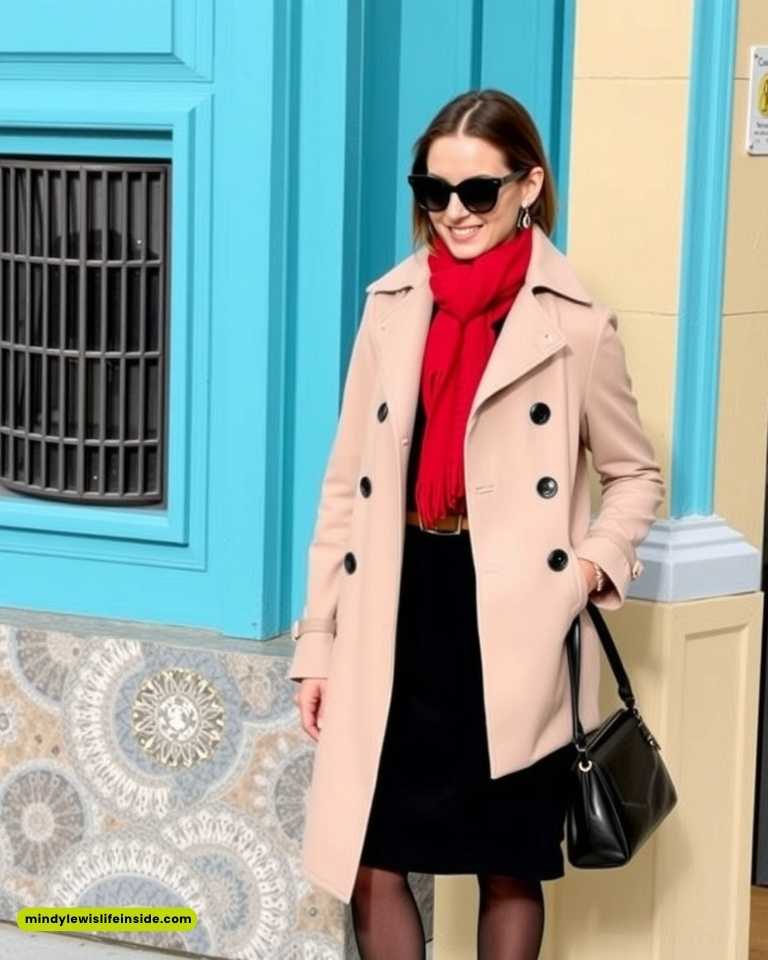
On the other hand, the pea coat works well for casual outfits or smart-casual style. The coat is shorter and feels solid, so it has a more relaxed vibe. It is a good coat to wear over jeans and a sweater. You can wear it on a coffee run over the weekend or out to a casual dinner with friends.
A dark pea coat can be a little dressy, but it still has a comfortable, less formal style. A trench coat, though, always lifts your look and can take you from daytime to night without much effort.
Styling Tips for Trench Coats and Pea Coats
Both the trench coat and pea coat are classic fashion staples. Many fashion enthusiasts love their timeless appeal. When you know a few tips to wear them, you can use these coats in many ways. Try layering a trench coat over a dress shirt, or wear a pea coat with a good sweater. With the right styling, your outfit can look even better.
It is important to know how to add accessories and what to wear under each coat. Think about the occasion and your personal style. Now, let’s look at some simple ways to wear these coats well.
How to Accessorize and Layer for Maximum Style
How you wear and style your coat can change your look in a big way. With a pea coat, you can play up its tough and classic style. A thick knit scarf and a beanie help make the style more fun and also keep you warm. Finish the outfit with leather boots, and you get a solid, good-looking set.
The trench coat is a great way to show timeless elegance. For a polished look, belt your trench coat over neat pants and a clean shirt. You can also wear it with a silk scarf, leather gloves, or a tidy handbag. If you want a more casual look, leave it open over jeans and a simple t-shirt.
Consider these simple tips:
- Pea Coat: Layer with sweaters or hoodies for a casual, warm look.
- Trench Coat: Layer over a suit or dress for a polished look.
- Accessories: Use scarves, hats, and gloves to show your style.
- Footwear: Boots work well with a pea coat. A trench coat looks good with sneakers, heels, and more.
A pea coat is good for a casual look, while a trench coat can give you both a polished look and timeless elegance.
Conclusion
To sum up, both the trench coat and the pea coat have their own special qualities. They work well for different occasions and in different weather. If you know about their history, main details, and how to wear them, you can pick the right one for you.
Make sure to think about how the coat fits, how useful it will be, and what style you like most. This will help you pick the best coat for your closet. You might want the trench coat for its classic style, or you may go for the pea coat for its timeless appeal.
Both can make your winter outfits look good. If you want help finding the best coat for you, you can talk to our experts for a free consultation.
Frequently Asked Questions
Is a trench coat or a pea coat warmer?
A pea coat is much warmer than a trench coat. It is made from thick wool, so it keeps you warm in colder weather. A trench coat is lighter. It works best for transitional weather. It helps protect you from rain and wind but does not keep you as warm as a pea coat.
Can you wear a pea coat in rainy weather?
It’s not a good idea to wear a pea coat in heavy rain. The heavy wool fabric does not keep out water and soaks up moisture. This can make the coat heavy and not comfortable. A pea coat can help protect you in a light drizzle. But it is not right for bad weather or when there is a lot of rain. The heavy wool fabric does not offer the water resistance you need for harsh weather conditions.
Which is more travel-friendly: trench coat or pea coat?
A trench coat is usually better for travel. The trench coat is made from gabardine fabric, which is light. This makes it easy to pack and carry. A pea coat is made with heavy wool. So, the pea coat is thicker and takes up more space in your bag.
How should each coat fit for best appearance?
For the perfect fit, you want both a trench coat and a pea coat to have enough room so you can add layers under them, but they should not feel tight. A trench coat should be tied at the waist to give you a nice shape. A pea coat should fall straight across your body and shoulders for a clean look.
As an Amazon Associate, I earn from qualifying purchases